Gamers Emporium
Dungeons And Dragons: Dungeon Master's Screen
Dungeons And Dragons: Dungeon Master's Screen
Couldn't load pickup availability
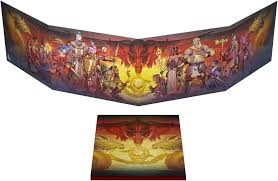
A Dungeons & Dragons Dungeon Master's Screen is a four-panel, folding partition that acts as a physical barrier between the Dungeon Master (DM) and the players. It is a versatile tool that combines the practical function of hiding sensitive information from the players with the atmospheric appeal of fantasy artwork.
Functionality
The screen is designed to improve the flow of the game for the DM by providing essential information at a glance.
Exterior
Atmospheric artwork: The side facing the players features beautiful, large-scale illustrations that add to the game's theme and help immerse players in the fantasy world. The specific artwork varies depending on the edition or campaign kit. The 2024 screen, for example, features a panoramic scene by artist Joy Ang.
Interior
Quick rules reference: The side facing the DM is covered with reference charts and tables for common game mechanics. This allows the DM to find key information quickly without needing to flip through rulebooks, reducing game slowdowns.
Important data: The interior panel includes information such as:
Actions and combat modifiers
Status effects and conditions (e.g., poisoned, prone, frightened)
Guidelines for setting difficulty classes (DCs) for player checks
Character size comparisons
Travel pace rules
Customization: Many DMs augment the official information with their own custom notes. Some versions of the screen even have features like plastic pockets or magnetic backing to allow for easy customization with printed tables, campaign-specific notes, or an initiative tracker.
Primary purpose
The screen's main uses are for concealing and organizing the game for the DM.
Keeps secrets hidden: The screen's main purpose is to hide game notes, future encounters, and dice rolls from the players. This preserves the mystery and surprise elements of the campaign. For example, a DM can roll for a monster's stealth check without revealing to the players that a threat is lurking nearby.
Organizes the DM's area: The screen creates a private area for the DM to keep their materials organized, including adventure notes, monster statistics, and miniatures, without cluttering the players' view of the table.
Protects a DM's "fudging": For some DMs, the screen provides privacy for occasionally altering a die roll. This can be done for narrative reasons, such as ensuring a crucial plot point isn't missed due to bad luck or to prevent a total party kill (TPK) during a string of poor rolls.
Share